Culvert Repair Solutions

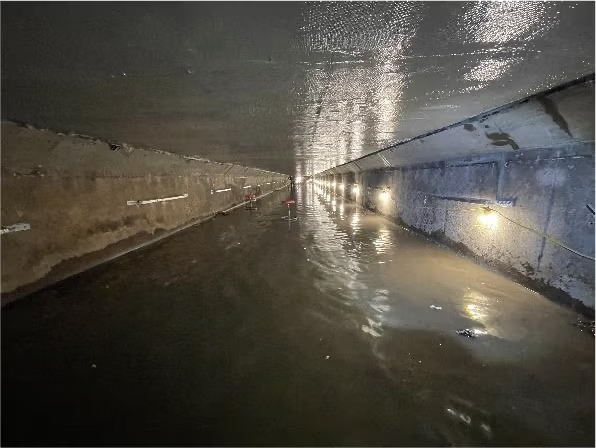
Corrugated metal pipe (CMP) and reinforced concrete culverts are widely used in highway and roadway infrastructure. Over time, these structures can deteriorate due to corrosion, abrasion, joint movement, and environmental exposure. As the culvert weakens, its load-carrying capacity is reduced, potentially creating unsafe conditions for the roadway above and, in severe cases, leading to partial or complete collapse.

QuakeWrap® offers several proven solutions to restore the structural capacity of deteriorated culverts while extending their service life without the need for costly replacement.
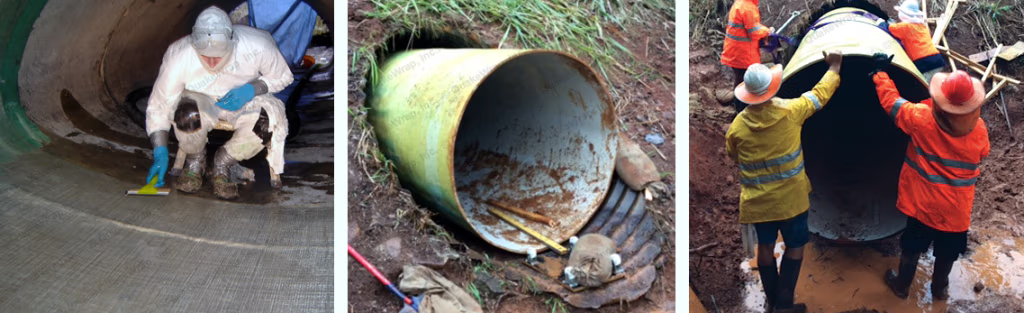
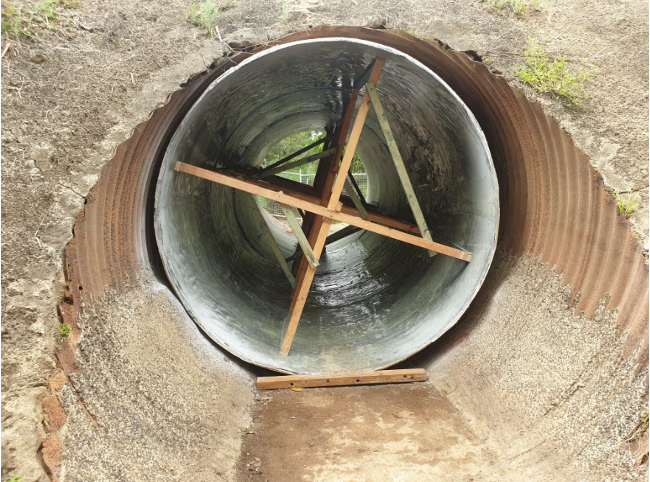
For corrugated metal pipes, the patented StifPipe® system provides an effective slip-lining solution. Using infusion technology, QuakeWrap manufactures lightweight, custom-sized FRP pipes that are inserted into the existing culvert. The new pipe restores structural strength and creates a durable, corrosion-resistant liner designed to last for decades.

For concrete box culverts, QuakeWrap offers two repair options. The wet lay-up FRP system uses high-strength fiber fabrics saturated with resin and bonded directly to the surface of the culvert. This method is particularly useful for strengthening box culverts and stabilizing joints affected by freeze-thaw cycles or minor movements.

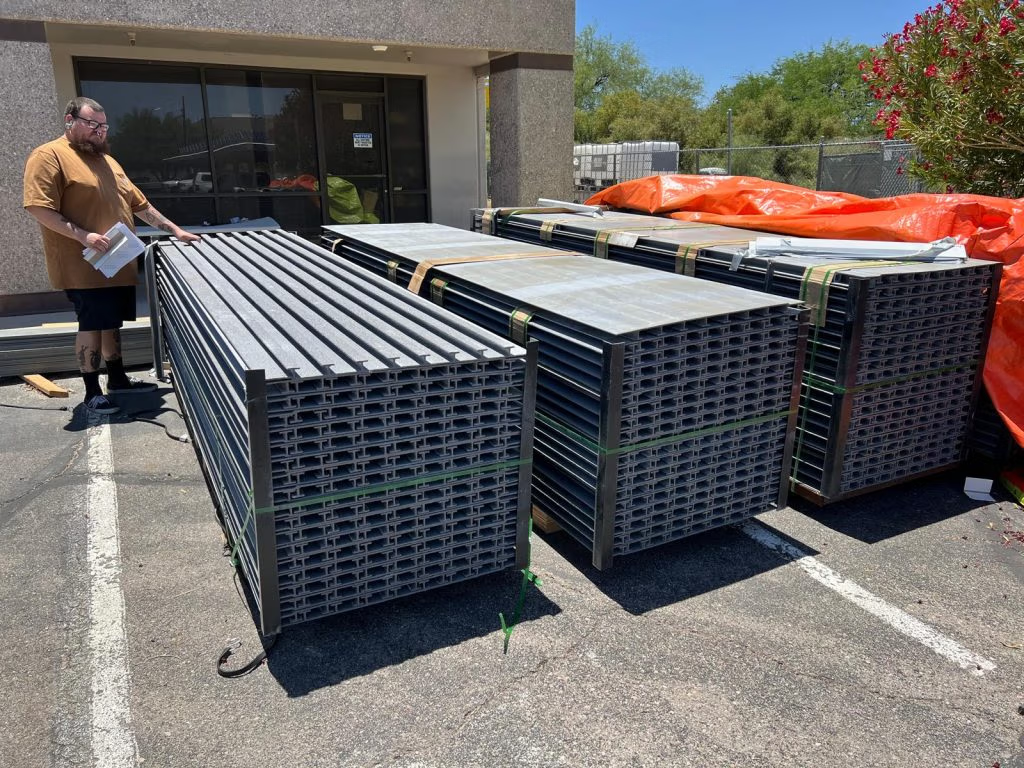
A newer solution is the SPiRe®+ system, which utilizes prefabricated FRP panels that are attached to the soffit and side walls of a deteriorated culvert. Once installed, the space behind the panels is filled with grout to create a composite structural liner that restores capacity while protecting the existing concrete from further deterioration.

QuakeWrap engineers evaluate each project and recommend the most suitable repair system. Detailed designs and sealed engineering drawings are provided to ensure the retrofit meets the structural demands of the site.

Features & Benefits

Advantages of repair of culverts with FRP include:

  • Repairs are trenchless, requiring zero or minimal excavation
  • Minimal increase in wall thickness (typically ¼ inch (5mm))
  • Ideal for spot repair of only damaged areas (e.g. joints only)
  • Repairs are fast with minimal downtime

Videos