
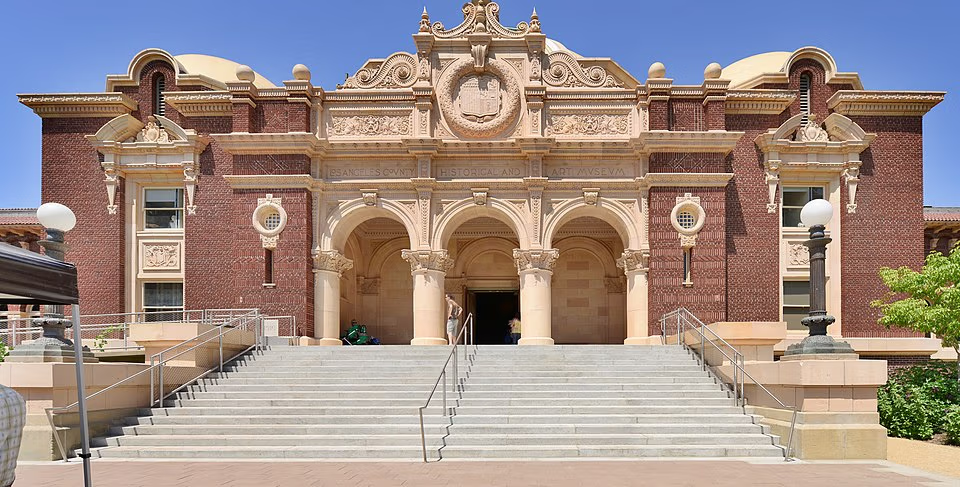
Historic Preservation
Preserving and restoring historic buildings is essential to protecting a nation’s cultural heritage. Many structures such as churches, mosques, courthouses, government buildings, theaters, and other historic landmarks were constructed long before modern building codes were developed. As a result, these structures often do not meet current seismic or wind design requirements and may also suffer from deterioration due to age, environmental exposure, or changes in building use.
Traditional strengthening methods using steel or concrete can significantly alter the appearance and architectural character of historic structures, making them unsuitable for many preservation projects. In contrast, Fiber Reinforced Polymer (FRP) systems provide an effective and minimally invasive solution for strengthening and restoring historic buildings.
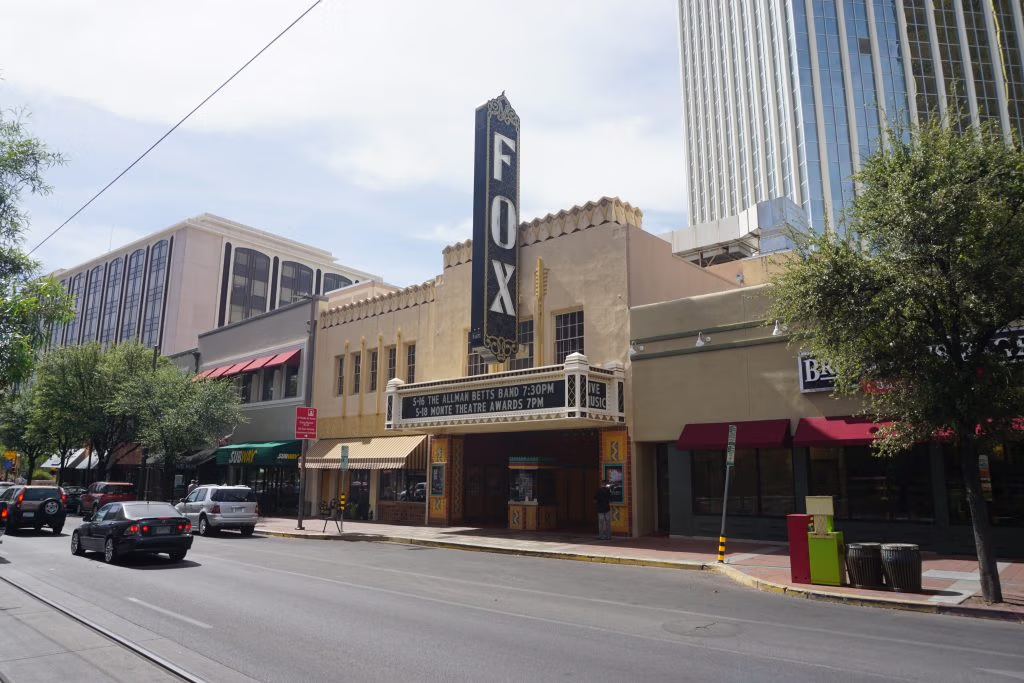
Thin sheets of carbon or glass FRP fabrics, typically about 0.05 inches (1.3 mm) thick, can be bonded to the surfaces of beams, columns, walls, and floors to significantly increase structural capacity. Because these materials add very little thickness or weight, they preserve the original appearance of the structure. The FRP can also be painted or coated with architectural finishes, making the repair virtually invisible.
Additional strengthening solutions include Near Surface Mounted (NSM) carbon rods or strips, which are installed in narrow grooves cut into the structural surface. Once installed and covered, these reinforcements become completely hidden, making them ideal for historic preservation projects where aesthetics are critical.
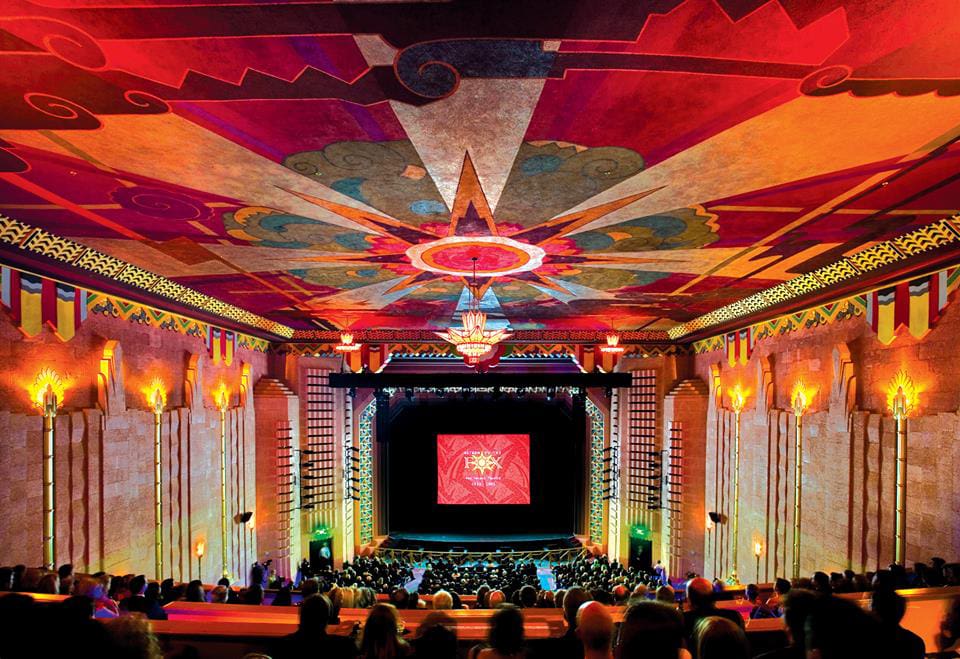
QuakeWrap engineers work closely with owners, architects, and preservation authorities to develop strengthening solutions that maintain the historic integrity of the structure. Our designs may incorporate conventional FRP systems as well as patented technologies such as PileMedic® and SPiRe® when appropriate. Detailed retrofit designs and sealed engineering drawings are prepared for review and approval by the relevant preservation boards and regulatory agencies.
Features & Benefits
Using FRP systems for historic preservation offers several advantages:
- Strengthening of walls, floors, beams, and columns
- Minimal increase in member size (typically less than ½ inch / 13 mm)
- Repairs can be hidden from view, preserving historic appearance
- Fast installation with minimal disruption
- Lightweight materials that add little load to the structure
- Finished surfaces can be painted or coated to blend with existing materials